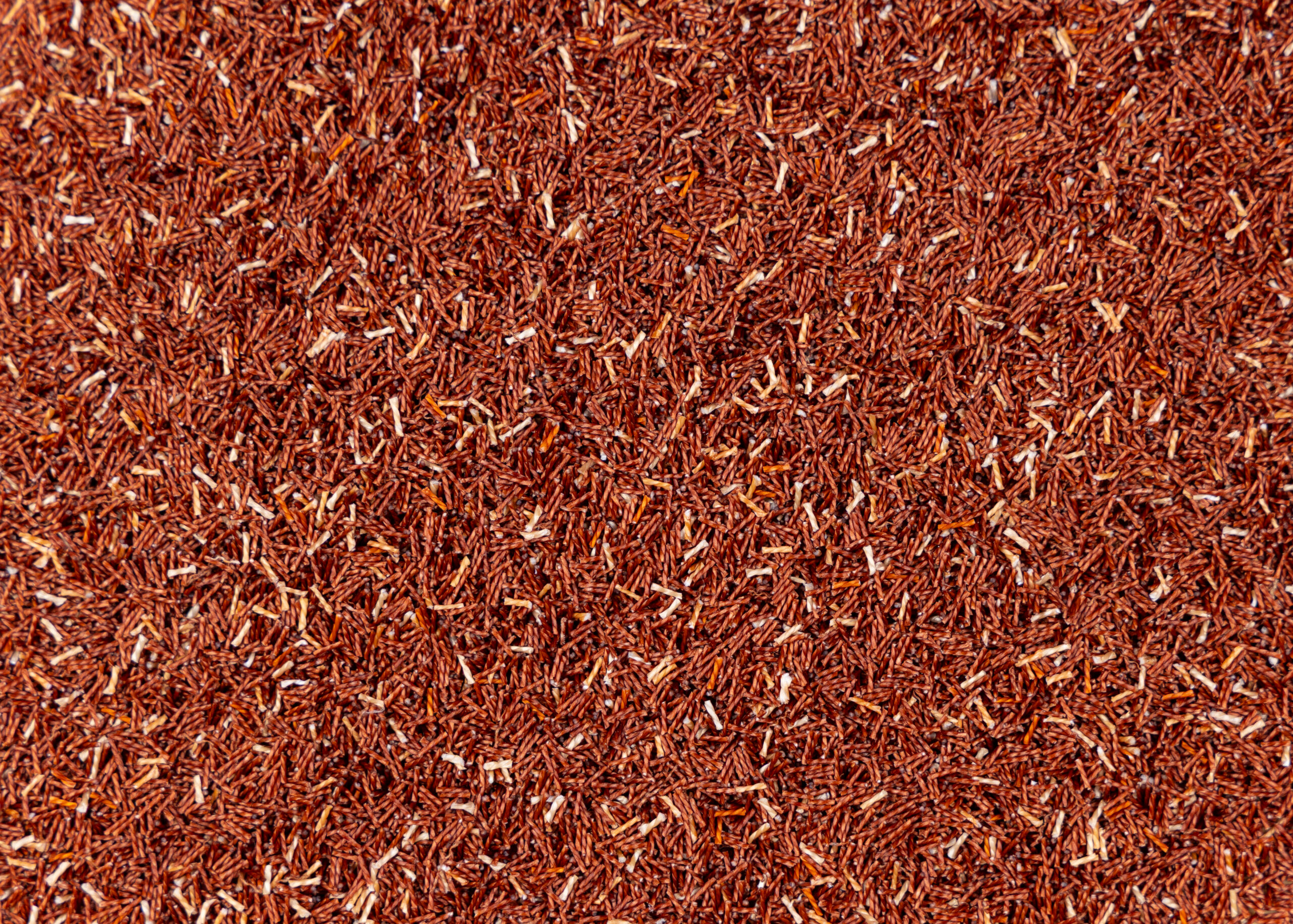
Lower costs. Higher performance. Finite Fiber’s engineered fibers reduce cycle times, improve green strength, and outperform traditional fabric reinforcement — in every compound.
The utilization of natural fibers as a reinforcement in rubber compounds has been around for nearly 100 years. The early fibers were created from tire cord remnants. Today’s fiber additives are available in a wide range of chemical structures — glass, organic, synthetic, aramid, carbon, coated and uncoated — as well as various diameters, bundles, twists, fibrillation, and lengths.
Fibers offer unique compound properties such as increased tensile modulus, abrasion resistance, improved tear strength, noise reduction, thermal stability and cut resistance.
The fiber’s crystallinity, decomposition temperature and polarity impact the ability of the fiber to adhere to the polymer matrix and enhance cured elastomer compound performance. These characteristics also impact the ease of dispersion in the uncured elastomer compound.
The rod-like structures can be oriented “with-grain” to provide unique directional properties or anisotropy. Finite Fiber’s technical team will assist you in achieving real performance enhancements — identifying fiber type and length, formulation adjustments, and production changes to ensure peak compound performance.


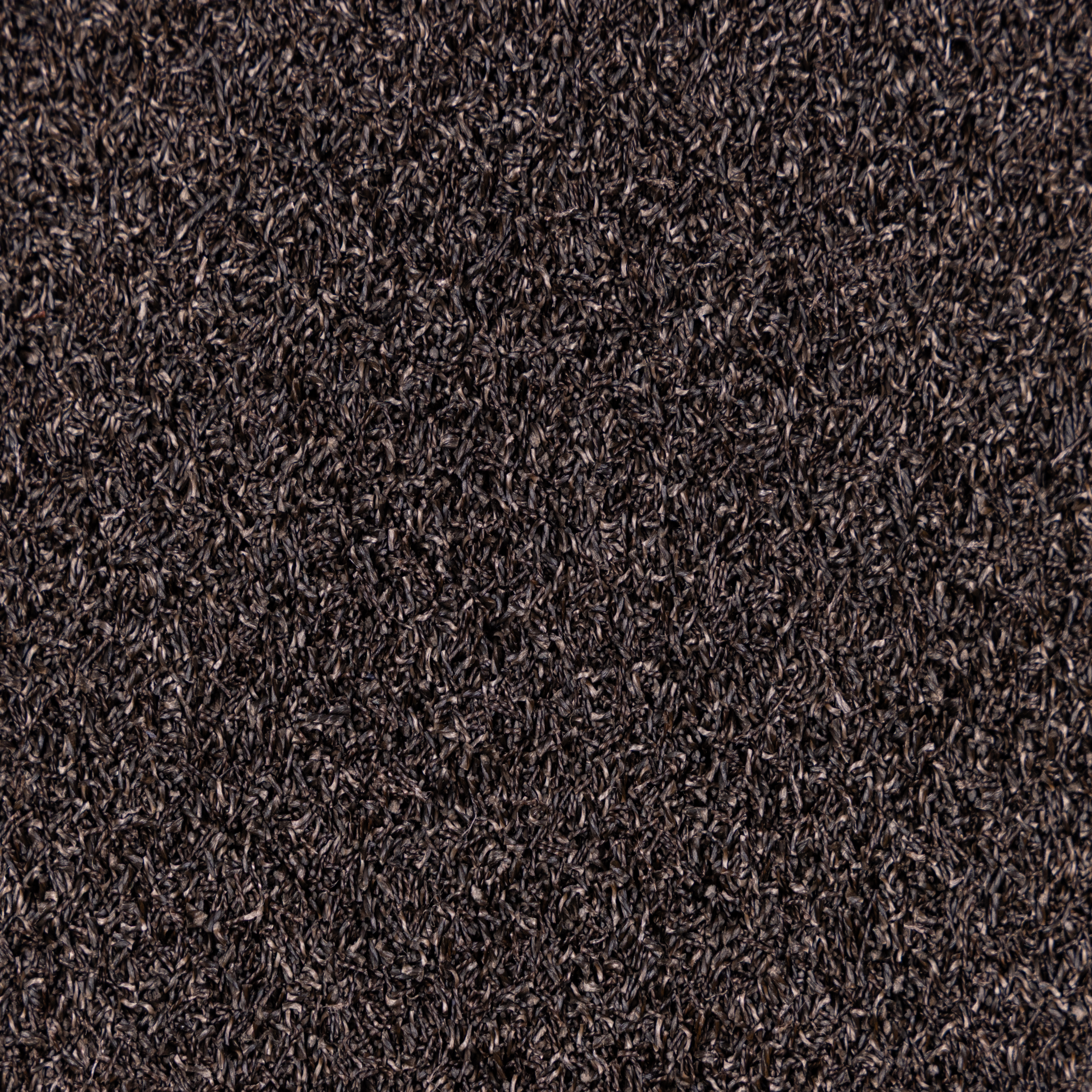
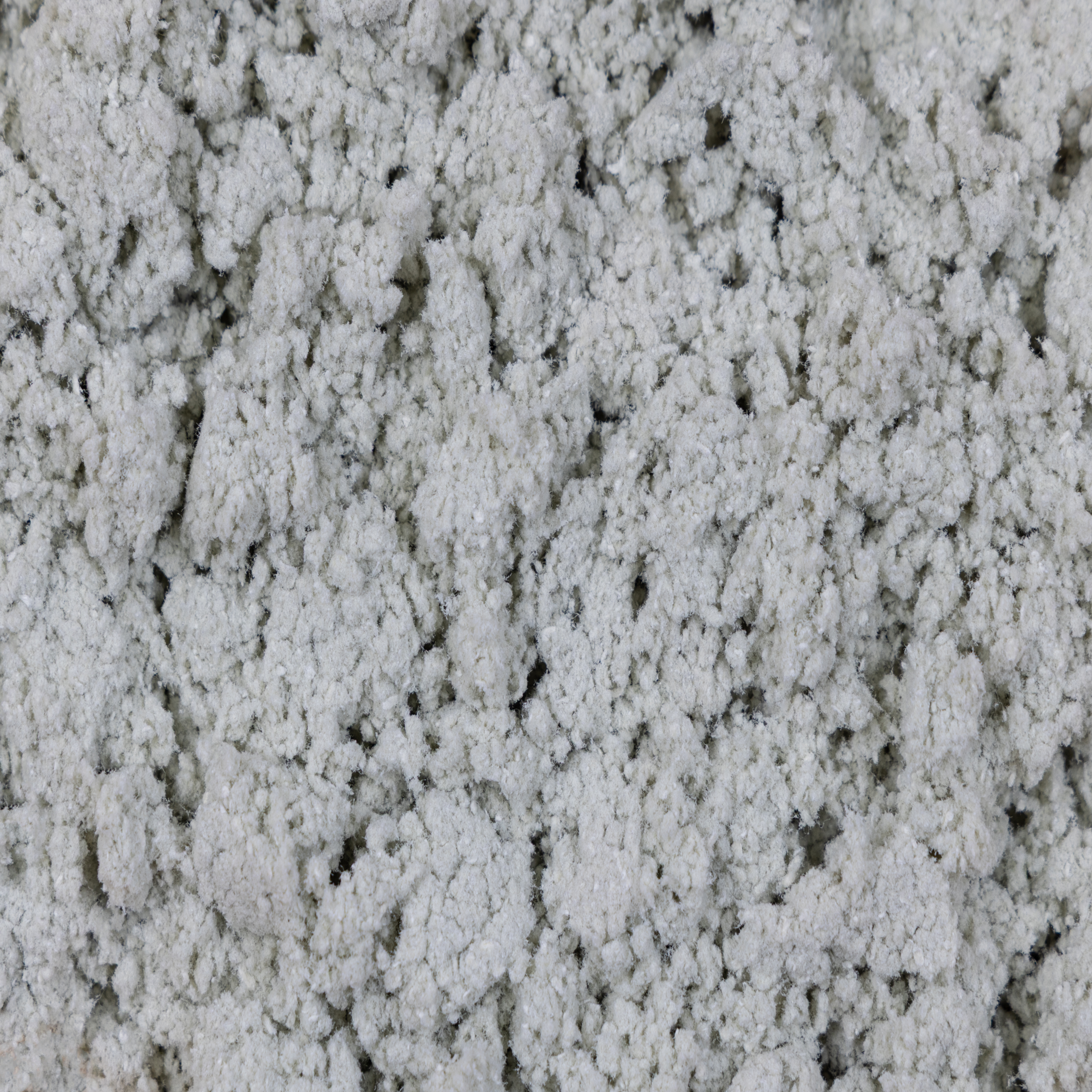
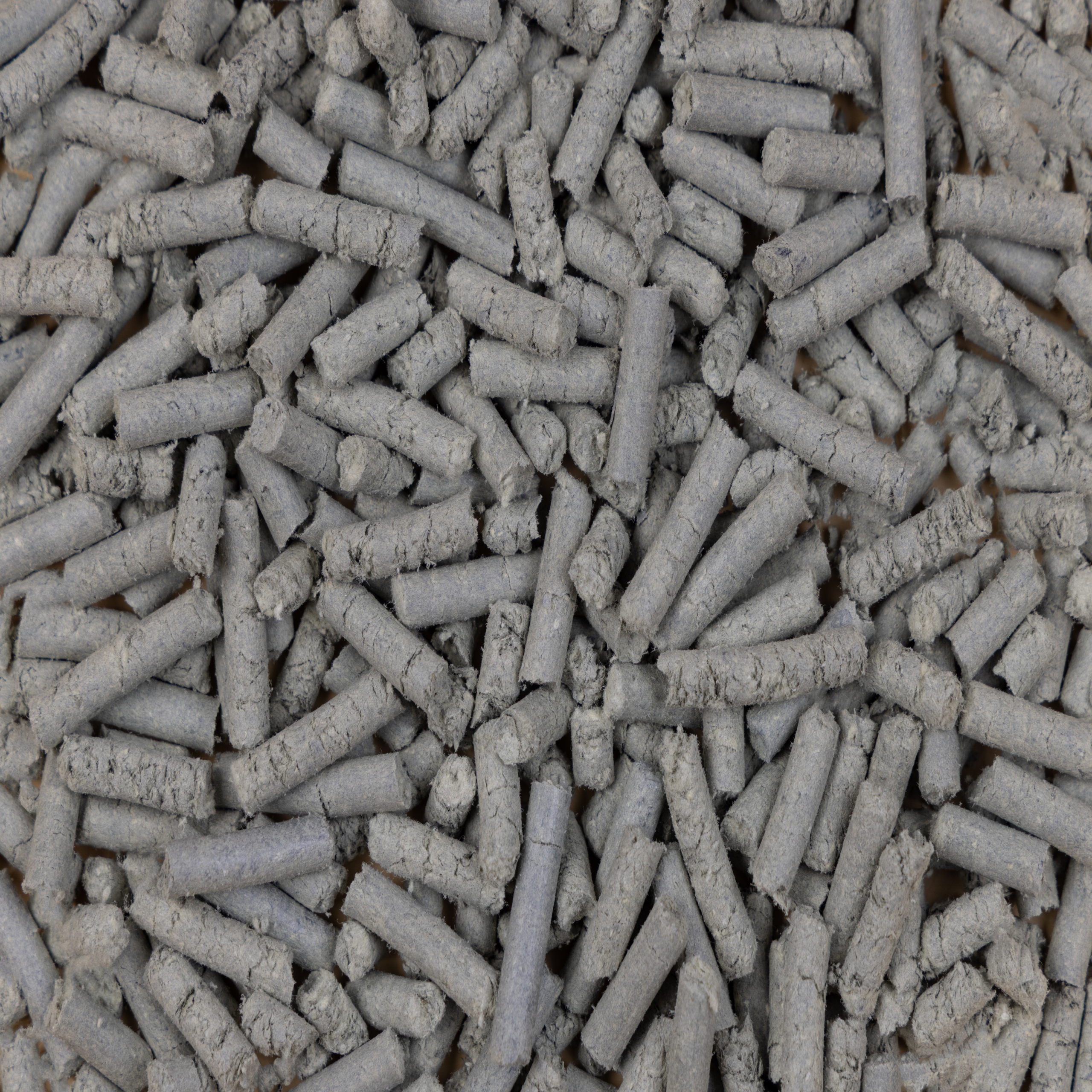
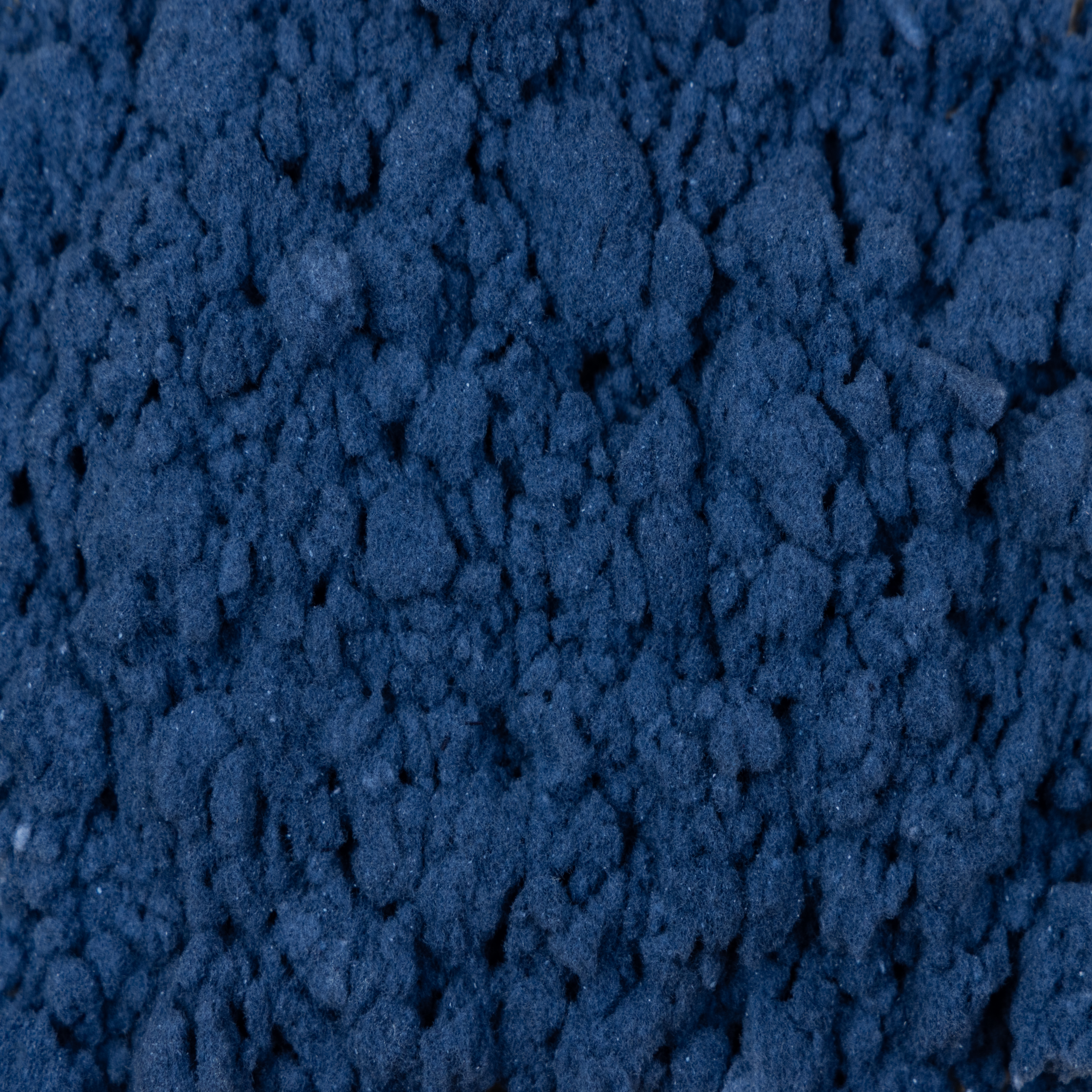
From micronized flock to precision-cut bundles — each fiber structure is engineered to deliver targeted performance in your polymer compound.
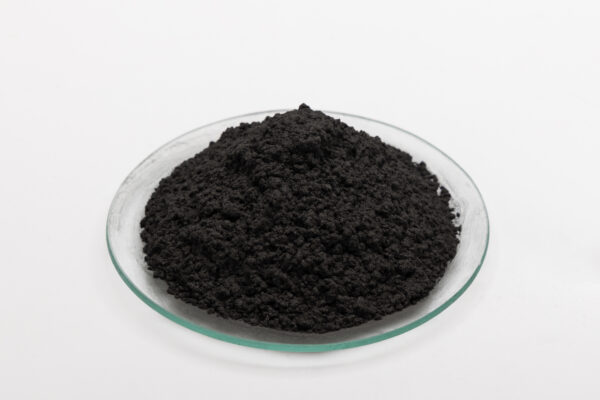
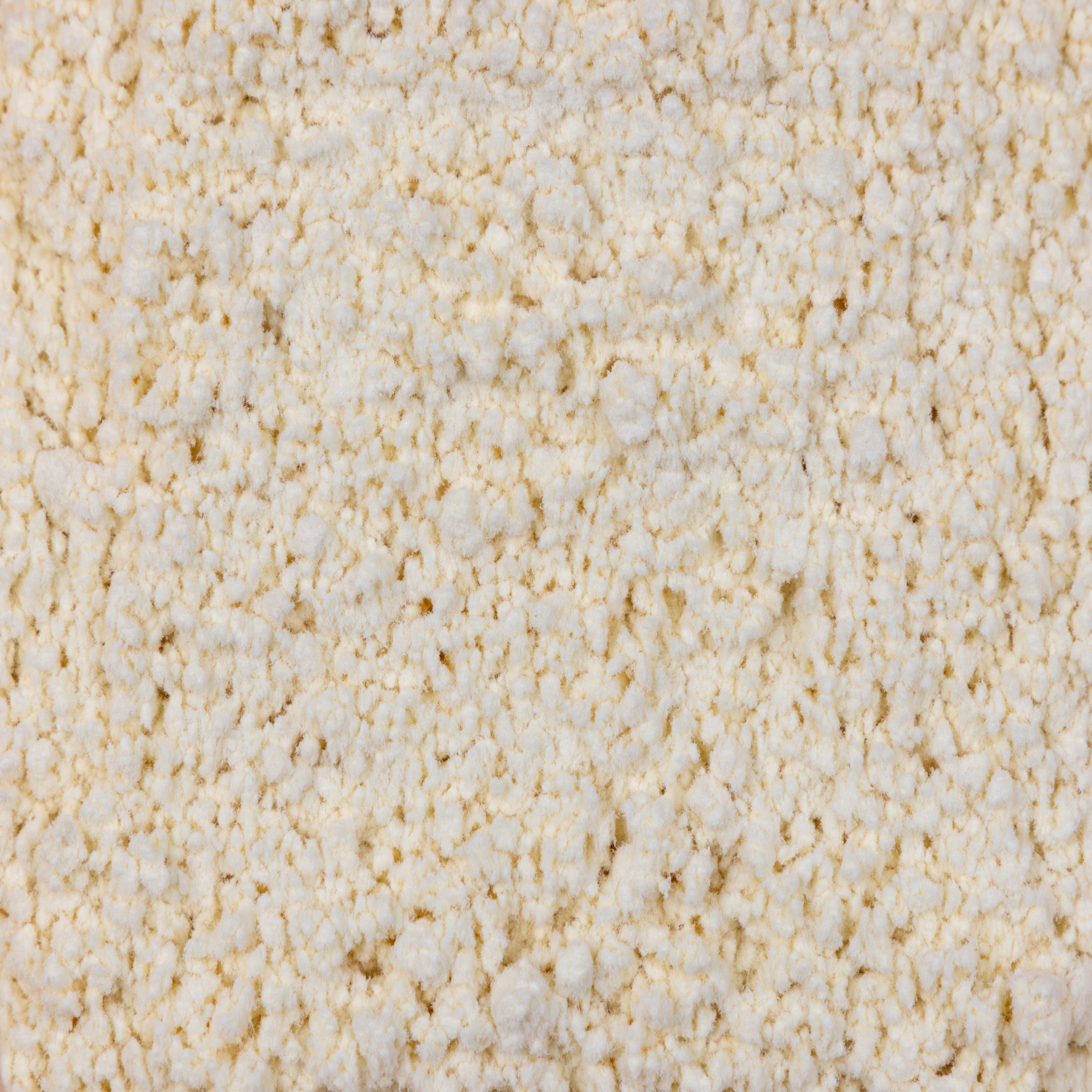
Generally, between 100 micron and 2mm in length. Milled and screened to control length.
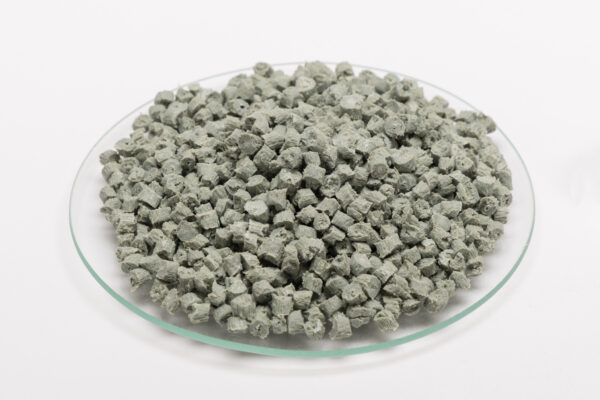
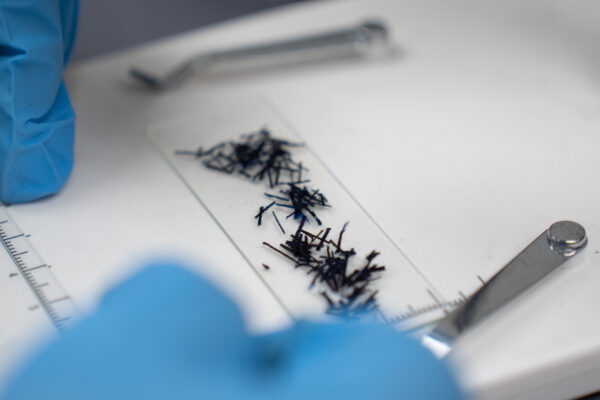
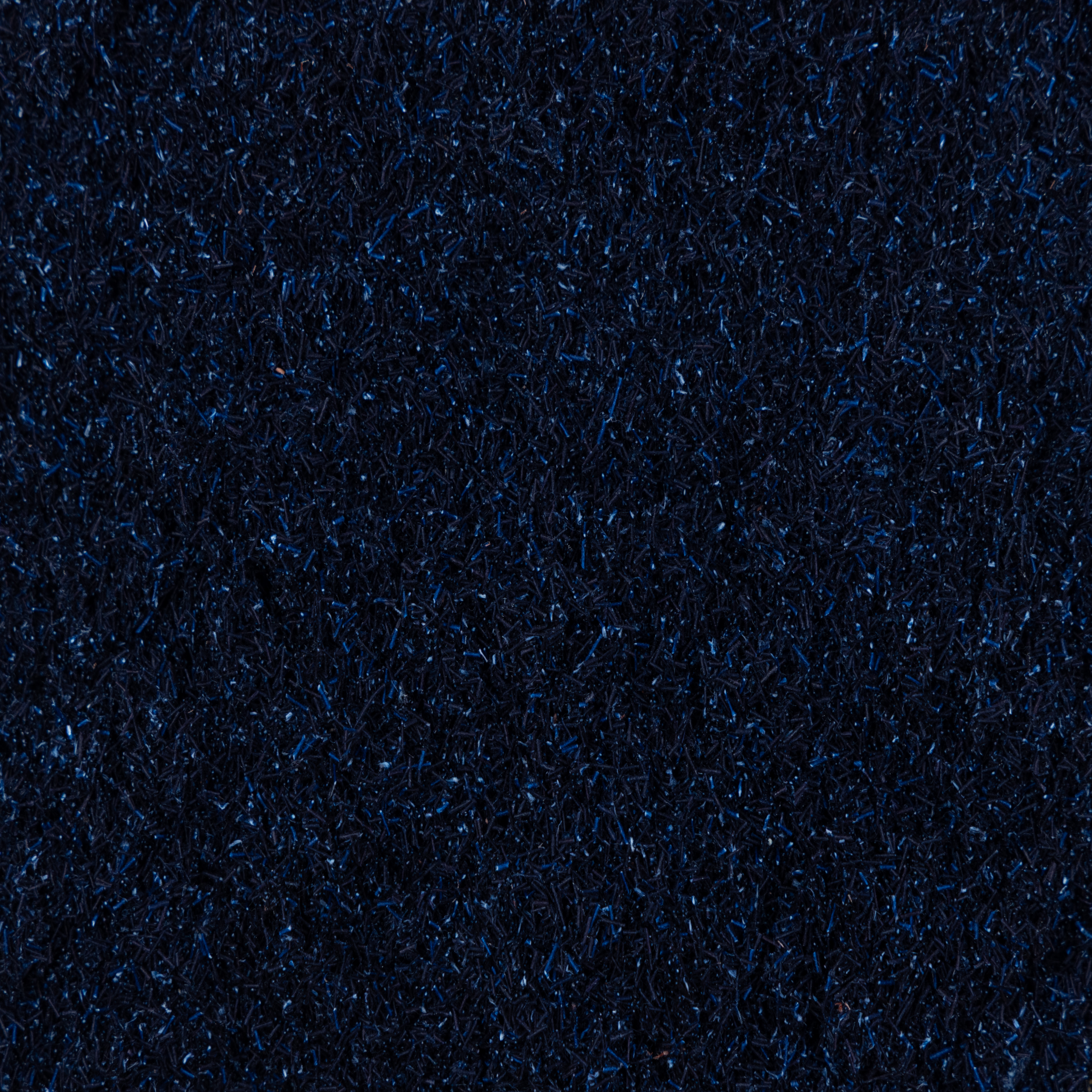
Individual fibrils typically cut to a tight tolerance - usually 3mm or greater in length.
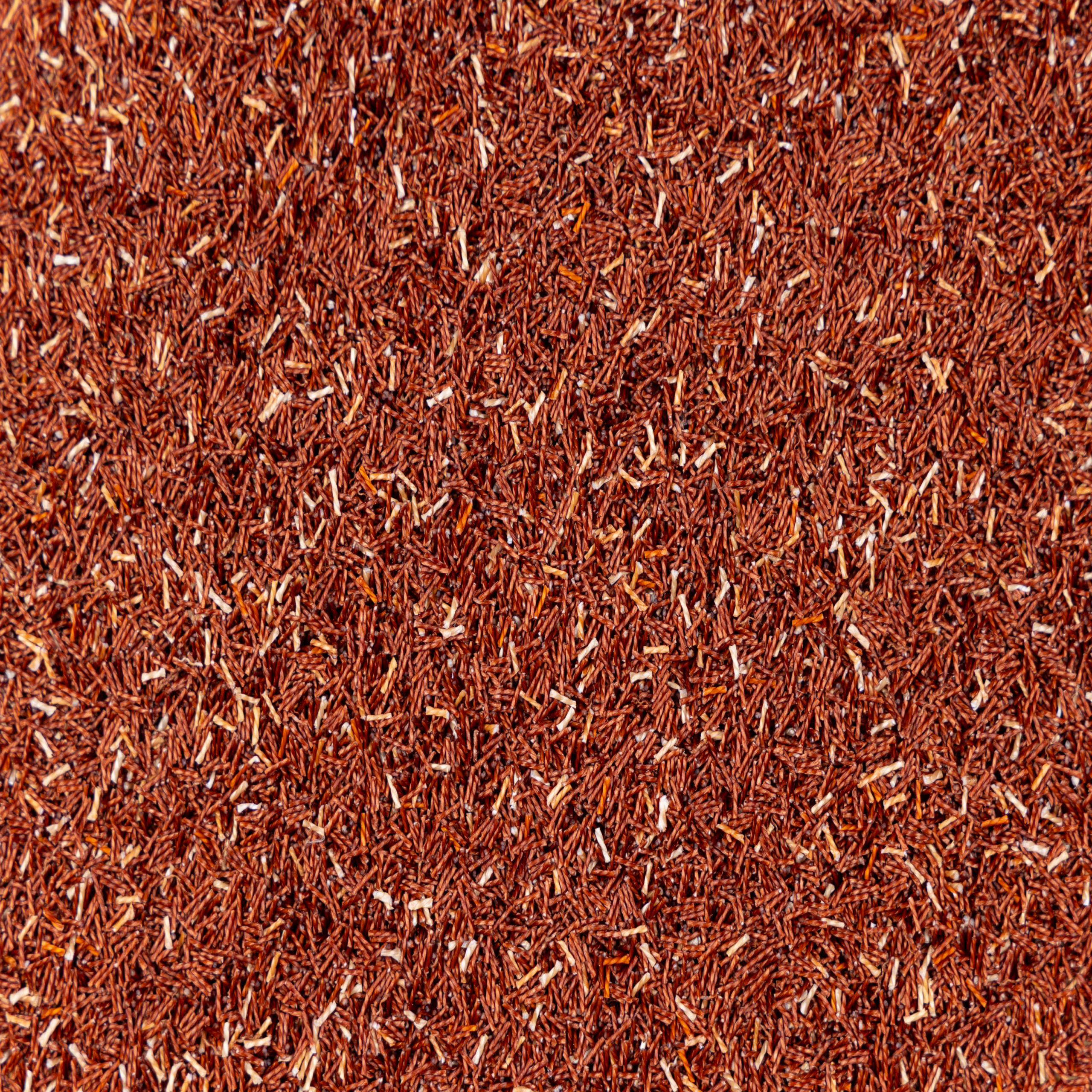
1mm - 11mm lengths are common. The easy-to-handle bundles contain hundreds, even thousands, of individual filaments. The filaments separate under the shear stress of standard mixing equipment producing a highly dispersed fiber reinforcement.

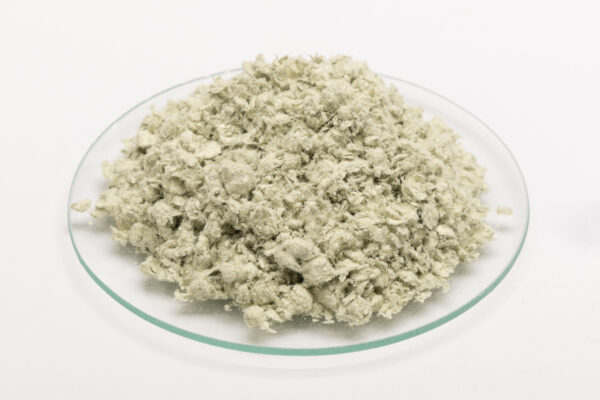
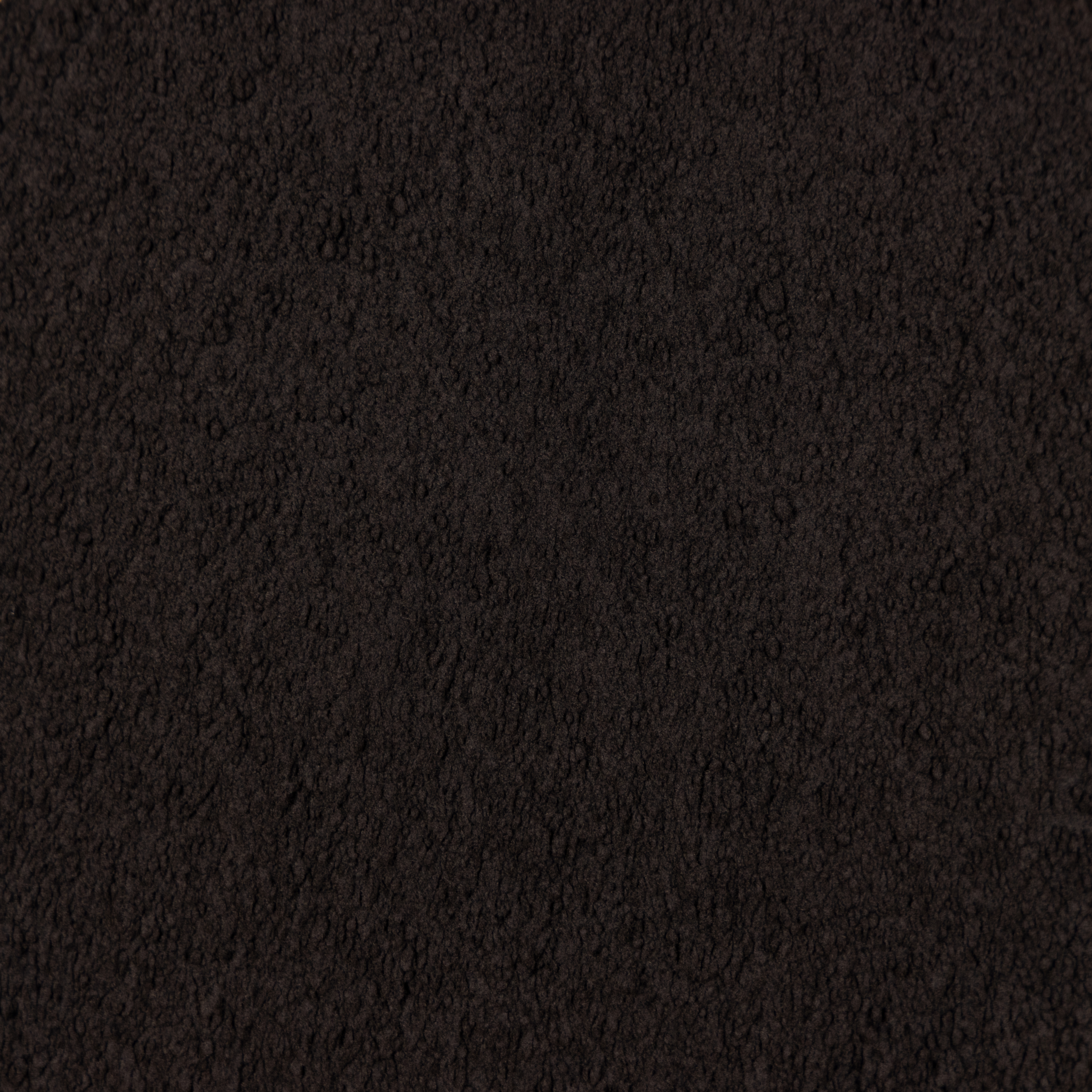
Fibrillated fibers are usually 1mm long. They have a larger surface area and a branch structure which aids in the mechanical bonding to the rubber matrix.
All of these fibers can be blended to create the polymer matrix that will produce the best physical properties for your product. Our patented Varamix® product is a prime example of this customization.
The ultimate result of every fiber reinforcement project is to manipulate the basic properties of polymers to produce the highest performance compound for your specific application. The first chart provides general property characteristics for each of the major fibers. The second chart is an example of how dramatically tensile modulus can be improved with the introduction of fiber. Other properties can be influenced with equal results.
| Aramid | PAN Carbon | Nyon | polyester | Cotton | |
|---|---|---|---|---|---|
| Density | Medium | High | low | Medium | Medium |
| Tensile Strength | High | High | Medium | Medium | low |
| Modulus | High | High | Medium | Medium | low |
| Elongation at Break | low | low | High | Medium | Medium |
| Tear Strength | High | High | Medium | Medium | low |
| Abrasion Resistance | High | low | Medium | Medium | low |
| Moisture Content | Medium | low | Medium | low | Medium |
| Melting or Decomp Temp | High | High | Medium | Medium | low |
| Conductive | No | No | No | No | No |
Tell us your application, your compound type, and the property you’re trying to improve. We’ll identify the right fiber and get a sample in your hands fast.